
Customers can tell when it’s real—and when it’s not

By Francis Flair

Many business leaders think trust is built through marketing—through a better slogan, a sharper website, or a polished ad. Those things can help. But they are not what make people trust you. Trust is built when the experience feels real.
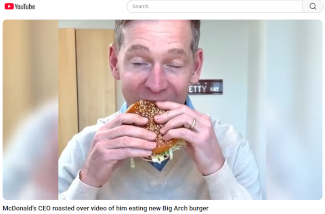
That is why a recent fast-food chain moment got so much attention. If you haven’t heard, McDonald’s CEO, Chris Kempczinski, has been in the news lately trying to promote the company’s new “Big Arch” burger. Check it out if you haven’t seen the video. The guy couldn’t even eat the very thing he was promoting, and people were not just reacting to the food.
In the comments following the video, people were reacting to the feeling that something about it did not seem natural or believable. And that matters in every business. Because customers can tell when it’s not real. They can tell when the smile is forced. They know when the apology is scripted. They can also tell when the promise sounds great, but the experience doesn’t match it.
How to build trust
In dry cleaning and laundry, trust is everything. People are handing you clothes they need for work, special events, church, school, and everyday life. They are not just trusting you with fabric. They are trusting you with timing, reliability, and peace of mind. So how do you build trust that feels real?
1. Mean what you say.
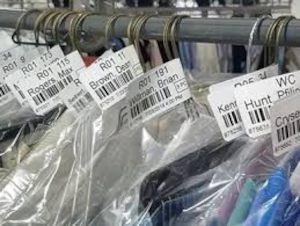
If you tell a customer, “It will be ready Thursday at 4,” they need to believe that means something. If you say, “We’ll call you if there’s a problem,” then call. If you say, “We care about quality,” then show it in the details. Customers stop trusting businesses when the words are bigger than the follow-through. Big promises sound good. Kept promises build loyalty.
2. Don’t perform care. Practice it.
Customers know the difference between someone who acts nice and someone who is actually helpful. Real care sounds like:
- “Let me check that for you.”
- “I’m sorry that happened.”
- “Thanks for your patience.”
It is not fancy or dramatic. It is just honest, clear, and human. That is what people remember.
3. Make the experience match the message.
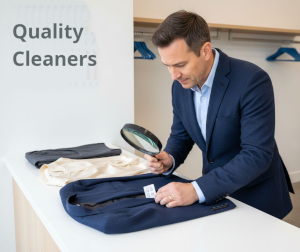
If your sign says “friendly service,” but no one looks up when people walk in, customers notice. If your website says “quality you can trust,” but orders are late, or communication is confusing, customers also notice. And if your staff is warm one day and cold the next, customers see that, too.
You don’t build trust by saying the right thing once. You do it by making the experience match the message over and over again.
The “real” test
Here is a helpful question for any leader out there: If I were a first-time customer, would this experience feel real? Would it feel warm, clear, and trustworthy? Or would it feel like a business trying to sound good without doing the simple things well? That question can tell you a lot.
Customers do not expect perfection; they expect preparation and predictability. And they expect the experience to feel real. Because when it doesn’t, trust starts to slip. And in this business, once trust slips, loyalty usually disappears as well. So if you want customers to keep coming back, don’t just work on the message. Work on making sure the experience proves it.
Related Posts


About The Author

Francis
Francis Flair is the founder of Client Retention Systems™, where he helps leaders transform culture into their most powerful competitive advantage. His frameworks show businesses how to align teams, build consistency, and retain clients at scale. Because every client you keep is a competitor you beat. You can contact him at francis@flairconsultinggroup.com.