
Before you call Technical Support, READ THIS
How to get the most out of Technical Support when a machine goes down

By Kevin Marois


Your machine is down. The mechanic won’t be there for two days. The bags of dirty laundry are now waist deep. Who ya going to call?
“Technical Support!”
Though it feels good to grab the phone and punch in the number, remember that doesn’t mean your machine will start working by magic. I have been on both sides of many technical support calls; it is not always that easy. I’d like to make some suggestions to help increase the odds of getting your machine working again.
Tech Support
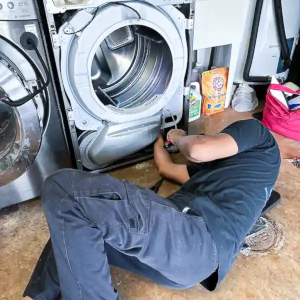
There is a lack of trained technicians in this industry. It is hard work. There are many areas that you need to be knowledgeable in: computers and programing, process control, threading/soldering pipe, steam and its controls, refrigeration, electrical and motor controls, rigging, mechanical skills. In addition, you need to understand the various models from several dozen manufacturers.
The harsh truth is that you will never find a technician sitting at the office waiting for someone to call with a problem. If you don’t have an ongoing relationship with a technician, then you really are at the bottom of the list. (By the way, we are always looking for good technicians. If you know a technician wanting to make a change, give them my number.)
Manuals and websites
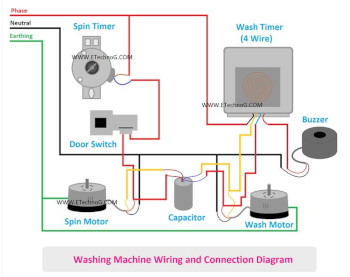
Your first step should be to look in your manual. If you lost it or bought a used machine and didn’t get one, you need to get one. Pay the price and get the information you need. When the machine is down, a wiring diagram or error codes can be very valuable.
Most manufacturers have some information on their websites. FAQs or bulletins might be all you need. Plus, a website is available 24/7, just like your manual.
Machine Identification
If you have to call technical support, the first thing you need to do is identify the machine that you are working on. You need to give them a model and serial number. Lots of machines look the same, but there may be differences of which you are not aware.
Some manufacturers log in your address when you call for support. Don’t get annoyed or feel they are being intrusive. They’re trying to help. They can look at their history of your machine and may be better able to advise you.
Every machine has a nameplate that lists model and serial numbers. It may also list machine capacity and the utility requirements. Those are critical pieces of information.
Clear description of the problem
Be ready to give a concise, clear description of the problem. Please don’t tell them what needs to be fixed. Describe the symptoms and let them decide what is wrong. You are not phoning them to tell them what you think. Describe the symptoms clearly and then listen.
What did the machine do? How did you try to fix it? What happened then? Describe sounds, smells, vibrations, appearance and what the garments look like.
You must give them the error code word-for-word. Most machines are designed to do some self diagnosis. That information is critical. When you go to the doctor, do you make him guess what is wrong?
Finally, don’t say it is doing “the same thing again.” They may not remember you and your previous problem. Secondly even if it is acting in a similar manner, it may not be the same problem. Your job is just to describe the symptoms accurately and let the expert tell you what is wrong. You need to know the names of the parts of the machine. If you and technical support can’t communicate, you are wasting everybody’s time.
You need tools and time
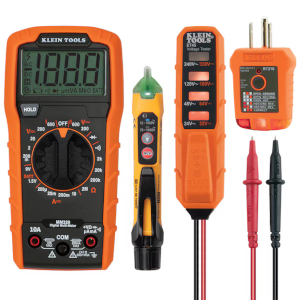
Occasionally you may be able to fix something by pressing a few buttons or opening a valve. Most often though, you will need to do some work. Have tools ready at hand to do whatever is
required: screw drivers, wrenches, pliers. etc.
You may also need a digital multimeter, one that can read volts and ohms. You also need to learn how to use the meter. It is not technical support’s job to train you to be a technician. A decent meter might cost $100.00 but how much does it cost to have all those people standing around?
Make sure you have sufficient time to wait on hold, and are able to fully devote your time and attention to the call once someone answers. It doesn’t work well if you have to keep going to the counter or answering the phone.
If you prefer not to get involved in the mechanical side, then you had better buy duplicates of every machine. However, if you don’t mind getting your hands dirty, you might be able to keep things running.
Get part numbers and order the parts
Once you have confirmed what is wrong, ask for the part number that you need to order. Don’t order the parts from someone else because they are cheaper. He has supported you, so buy the parts from him. Ask clearly for the part numbers and then repeat them back to confirm them.
No magic cure
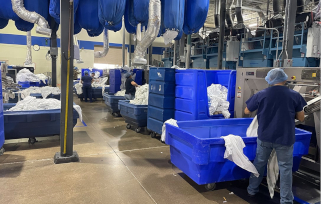
It’s amazing when someone is able to visualize what you are doing to your machine and direct you in how to fix it correctly. My hat is off to the people who do that all day, every day. But he (or she) can’t do magic. It may be that he can’t get you going. He can’t make you into a technician in 5 minutes. Some jobs are beyond the skill of a machine operator. But at least you have tried. The information you gain may be helpful to your technician when he arrives.
Just help yourself
Your machine is down but that isn’t the end of the world. With some good coaching, you might be able to get it running well enough to limp along. As long as you can follow instructions and don’t mind a little dirt under your fingernails. That’s the reality of dry cleaning or laundry operation—whether you thought you were signing up for that or not.
Related Posts


About The Author

Kevin Marois
Kevin Marois founded Calgary-based Integrity Mechanical in 2003 to serve plants in Western Canada. He writes on issues related to equipment, its purchase, maintenance and use. You can reach Kevin at imi@telus.net, or via his website, www.imicanada.ca.