



The Low-Down on Clean ’25
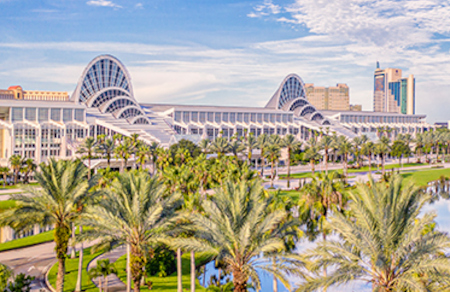
Whether you’ve attended past Clean Shows or this is your first time — or you’re still making up your mind — it’s good to have the complete information about the Show. This year is bigger and better than any in the past, so we asked two of the Show executives to lay it out for you.

Lavatec to introduce Hall of Fame program at Clean Show

Lavatec plans to honor several exceptional customers at the Clean Show in August in Orlando. The inaugural class of Lavatec’s Hall of Fame will be inducted during a 30-minute ceremony on Sunday, August 24 at 3 p.m. in booth 1303.
DLI Announces 2025 Hall of Fame Award Recipients
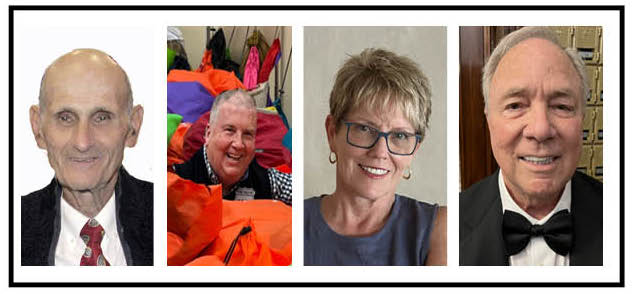
The Drycleaning & Laundry Institute (DLI) is proud to announce the induction of three outstanding industry professionals into its Hall of Fame. This prestigious honor recognizes individuals who have made significant contributions to the drycleaning and laundry industry.
America’s Best Cleaners Celebrates 25 Years of Industry Leadership
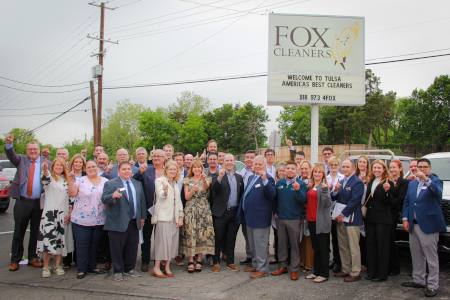
America’s Best Cleaners (ABC), the premier certification and consulting agency for the garment care industry, celebrated its 25th anniversary with a powerful and emotional gathering of affiliates, partners, and friends in Tulsa, Oklahoma.
CALL FOR CLEAN SHOW
BOOTH INFORMATION
If you have reserved a booth at the Clean Show in August, we want to know about it! Send us a description of what you will be showing (200 words or less) and a few photos. We’ll include it in our special Booths section. Don’t forget to include your booth number. Send it to becca@fabricarecanada.com.

EVERYTHING CLEAN SHOW
There’s a lot of information to absorb as you make your plans to attend the “show of shows” — the 2025 Clean Show in Orlando, FL from August 23-26. We’ve broken the information into special pages to save you time.
Check back frequently as new information comes in and we add to these pages. Register today. See you there!

This is a dynamic website and we’re always adding content. Here’s what we added this week:
- Clean Show Booths to Visit — new content
- Clean Show Social Opportunities — new content

JULY SERIES: Pre-Clean Show
The Industry Holds Its Breath
That’s how it feels when the Clean Show approaches — like we’re holding our collective breath and waiting to see what new innovations will be revealed. Some companies hold off ordering equipment until they can see it live at the Show, and hope to bag a bargain in the process. Others are just weighing their options for the next purchase they need to make in a year or so.
What can you expect at Clean this year? In a word: MORE. More options, more AI, more automation, more services you never thought to offer, more great ideas from the education sessions, more people you’ll meet who are trying things that have changed their businesses for the good. That’s the whole point of the show, to open your eyes to new possibilities.
Next week we’ll feature an interview with one of the organizers of the Clean Show to give you specifics on what to look for and what to expect.
In the mean time, check out our growing Booths To Visit page and read specifics from companies that are enthusiastic about what they’re bringing to you at the Show.
JUNE SERIES — Salute Your Best Employees!

This month we are saluting those special people in your company who keep the doors open and the equipment humming through their hard work and dedication.
Saluting a Star!

Shawn Simmons of NextGen Laundry Group nominated one of his store managers, Mhon-Lee Limun. Find out what makes him indispensable!
An Unbeatable Team!
When Lisa Loscerbo, owner of Best Care Dry Cleaners in Winnipeg, MB, read the call to salute her best employees, she had no hesitation.
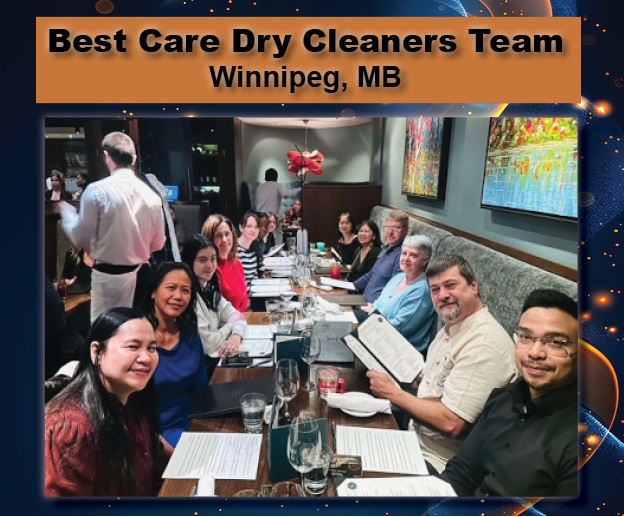
What makes this crew so special? What can you learn from them?
A Real Team Player!
This month we are saluting those special people in your company who keep the doors open and the equipment humming through their hard work and dedication.
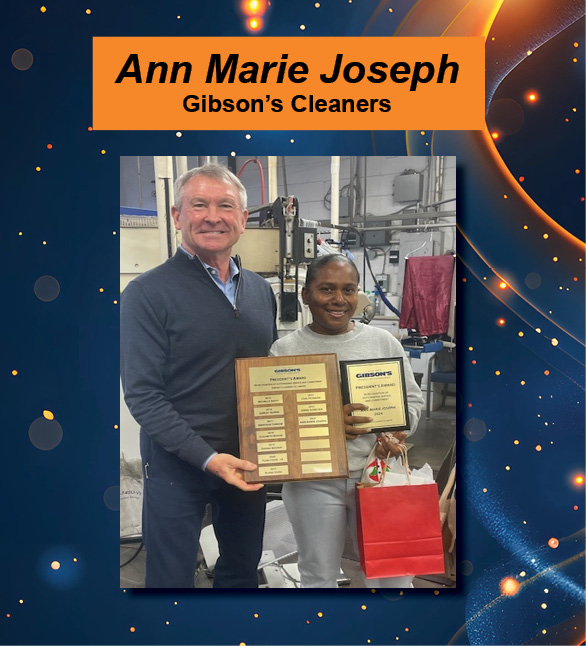
Anne Marie Franklin shows her dedication day-in and day-out at Gibson’s Cleaners. Learn why she’s so special!
Can’t Pick Just One
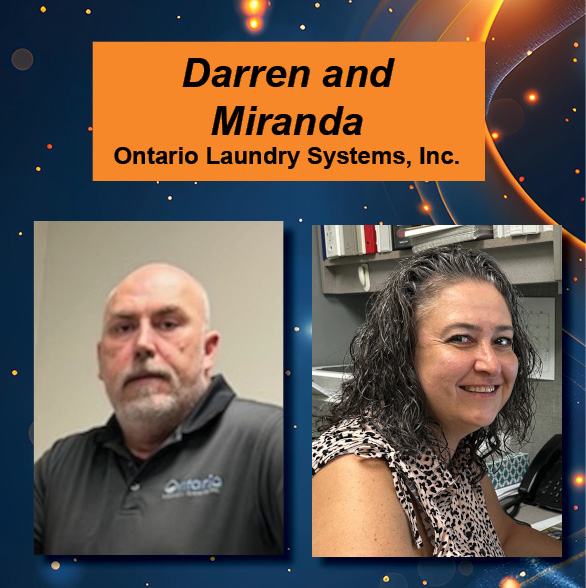
As we close out our month-long series of salutes to great employees, we heard from one boss who couldn’t choose just one person to commend.
Warren Gibson of Ontario Laundry Systems chose two key people on his team to call out for extra praise. Find out why!

SERIES: Salute Your Best Employees!
No Staff, No Business
I may have exactly the same assortment of things that you have at your plant. But there is a major difference: You have a team that takes those machines and supplies and uses them to accomplish great things. Your team brings them to life. With your guidance, those people are able to satisfy the needs of many people. You call me to care for your machines—who cares for your team?
Small Gestures, Big Impact
SERIES: Salute Your Best Employees!

Whether you’ve just welcomed a new hire or you’re celebrating a veteran team member’s 30th year, employees are the core of your business. And yet, even when we know this, it’s too easy to let recognition slide in the day-to-day bustle. This month, I’m sharing a few practical and easy-to-implement ideas for recognizing your team members. These don’t require big budgets or gestures. Often, it’s the small, consistent efforts that leave the biggest impression.
Saluting Your Best Employees
How Taking Care of Your Team Builds a Better Business
SERIES: Salute Your Best Employees!


In any business, it’s easy to focus on the customers walking through the doors. After all, they pay the bills. But here’s something smart operators in the dry cleaning and laundromat industry know that most don’t – employees are your first customers. If you don’t take care of your team, how can you expect them to take care of strangers?